• Free shipping on orders over €200 in Europe. See the “Terms and Conditions” section for more details. •


When we sit down at the table, the simple act of drizzling a thread of olive oil over bread is more than the start of a meal—it is an ancient ritual that carries the scent of earth, sun, and hard work. That bright green color, which we call green gold, holds the story of centuries-old olive trees in Puglia. But to truly enjoy this magic, you need to know how to choose wisely.
Standing in front of a store shelf, it’s easy to feel lost among colorful labels and promises of quality. Yet reading a label is not just a bureaucratic exercise—it’s a way to protect both your palate and your health.
At Frantoio Muraglia, we believe transparency is the first ingredient of excellent olive oil. That’s why we want to guide you through the lines of an olive oil label and help you move from being a simple consumer to a knowledgeable connoisseur.
The label is the oil’s passport. Certain details must appear by law, as required by European regulations (such as EU Regulation 1169/2011). But within those details lies the truth about quality.
Mandatory information tells you whether an oil meets the rules. Optional information reveals whether it is truly exceptional. A producer with nothing to hide often includes extra details that reflect the care behind their work.
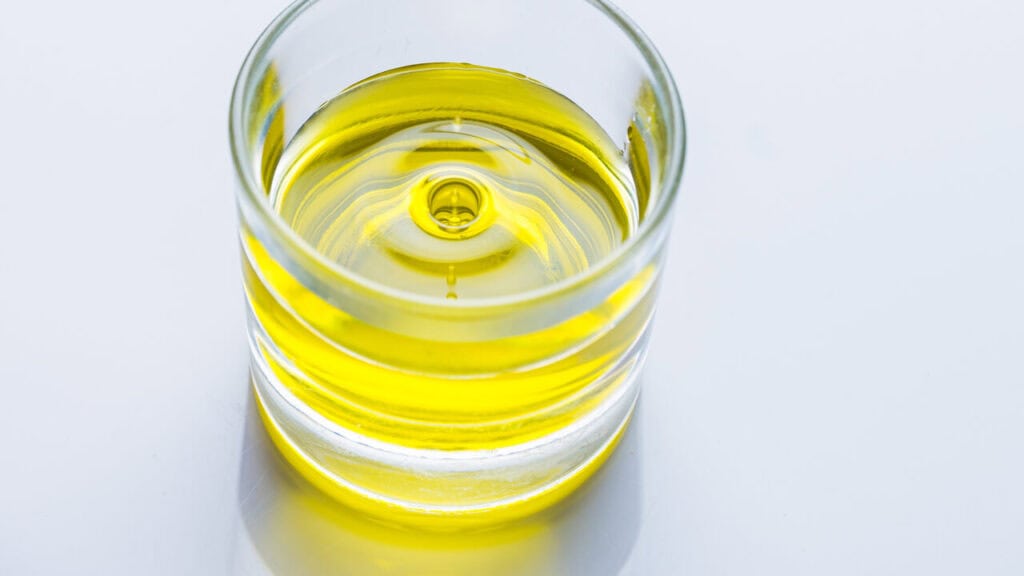
Olive oil is not like wine—it does not improve with age. Always look for the harvest year (for example, 2025/2026). Fresh oil preserves its aromas of artichoke, freshly cut grass, and tomato—hallmarks of our Coratina variety. Consuming oil from the current harvest ensures you benefit from all its antioxidants.
You will often read “cold extracted.” This means the temperature of the olive paste during processing never exceeded 27°C (80.6°F). This is a crucial parameter: higher temperatures increase yield but destroy aromas and health-promoting compounds. For us, cold extraction is not just a technical choice—it’s a principle.
A quality label will almost always specify the olive variety used. Whether it is the bold, peppery strength of Coratina or the delicate balance of Peranzana, knowing the cultivar helps you choose the perfect pairing for your dishes. It’s like choosing the right color for a painting—each variety brings its own shade of flavor.
Many people ask about acidity. Free acidity is not something you taste—it is a chemical parameter—but it indicates the health of the olives used. By law, extra virgin olive oil must have acidity below 0.8%, yet many outstanding oils from Puglia are well below
However, the real treasure lies in polyphenols. These organic compounds are powerful natural antioxidants that protect cells from oxidative stress. They are also responsible for the characteristic peppery sensation in the throat. That slight “tickle” is a sign of the oil’s vitality and its ability to support heart health, according to health parameters approved by the European Food Safety Authority (EFSA).
Before putting a bottle in your cart, keep these simple tips in mind:
At Frantoio Muraglia, we have chosen not to compromise. Our labels tell the story of our family, which for five generations has been extracting the essence of Puglia from its olives.
But we wanted to go a step further—combining the goodness of our oil with the beauty of local craftsmanship.
Our hand-painted ceramic jars are much more than containers. They are a declaration of love for our land and its artistic traditions. Choosing a Muraglia olive oil means choosing a product where the label is only the beginning of a story—one built on passion and respect for nature.

Are you ready to look at olive oil with new eyes?
The next time you hold a bottle in your hands, read it like a story. If it speaks of the land, of hands shaped by hard work, and of intense aromas, then you are on the right path.